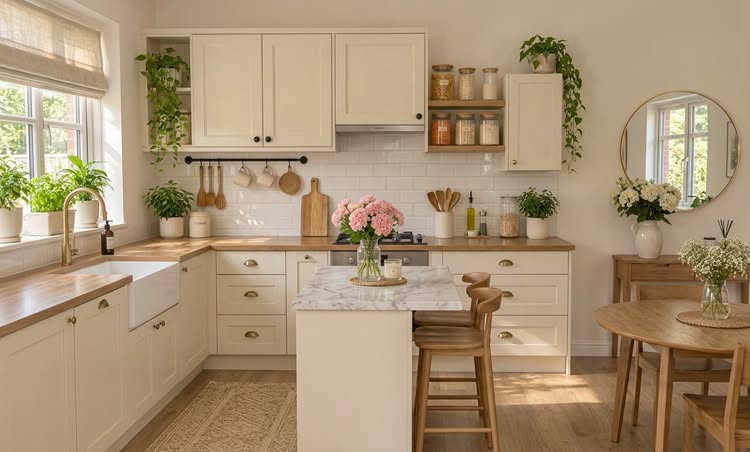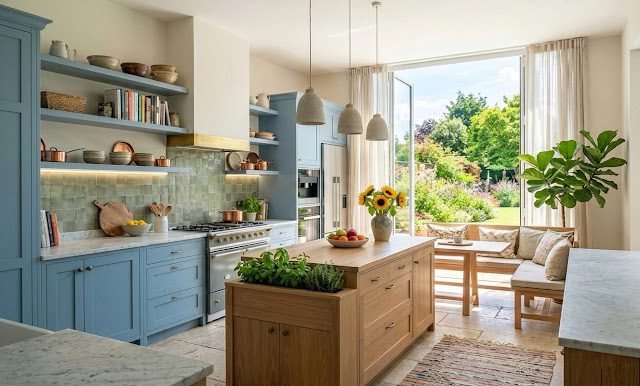
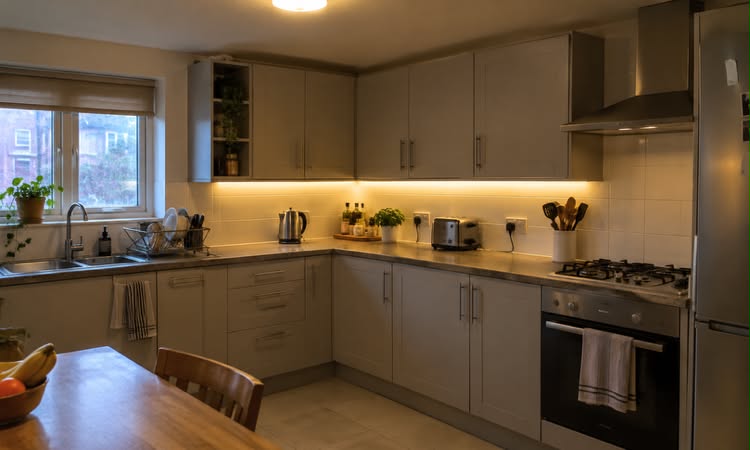
Have you ever saved a beautiful kitchen on Pinterest and thought, “Why doesn’t my kitchen look this put together?”
Maybe your cabinets are perfectly fine, your countertops are in good condition, and you’ve already added a few decorative pieces. Still, something about the space doesn’t feel quite right.
Here’s the thing: you might not need a new kitchen at all.
Sometimes, it’s the small design choices that make the biggest difference. Crowded countertops, poorly planned lighting, mismatched finishes, or accessories that don’t suit the space can make a kitchen feel less polished than it actually is.
And no, I’m not suggesting you spend thousands on a renovation. Before replacing anything, I’d look at what’s already there and figure out what really needs attention.
In this guide, we’ll go through 10 common kitchen design mistakes and how to fix them with practical, realistic solutions. Some changes won’t cost you anything, while others might be worth a small investment if they solve a genuine problem.
Let’s start with the easiest one.
Common Kitchen Design Mistakes
1. Leaving Too Many Things on the Countertops

Let’s be honest. Kitchen countertops can become a bit of a dumping ground.
You put down the cooking oil after making dinner, leave the toaster beside the kettle, and add a few spice jars because they’re easier to reach. Before you know it, half the counter is occupied.
There’s nothing wrong with keeping everyday essentials within reach. The problem is when these items leave you with barely enough room to prepare a meal.
This is especially noticeable in small kitchens, where every bit of usable counter space matters.
How to Fix It
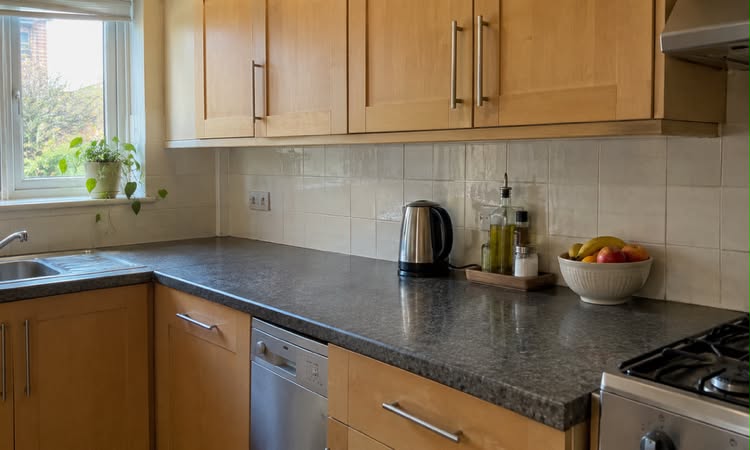
Start with the busiest section of your countertop instead of trying to reorganize the entire kitchen in one afternoon.
Remove the items, clean the surface, and put back only what you use regularly.
For example, keeping your coffee machine on the counter makes sense if you use it every morning. But if you only use your blender occasionally, storing it in a cabinet could free up valuable space.
You can also group smaller essentials together. A simple tray for cooking oil, salt, and pepper keeps them organized without spreading them across the counter.
One thing I’d avoid is removing everything just to make your kitchen look like a showroom. You still need room for the things you use every day.
The goal is to create a countertop that looks organized but remains practical for cooking.
Useful Products to Consider
- Countertop organizer tray: Keeps frequently used cooking essentials together.
- Under-sink organizer: Helps organize cleaning supplies if it fits around your plumbing.
- Pull-out cabinet organizer: Makes items stored at the back of a cabinet easier to reach.
You don’t need to buy all three. Try rearranging your existing items first, then decide whether additional storage would genuinely help.
2. Choosing Kitchen Lighting That Doesn’t Suit the Space
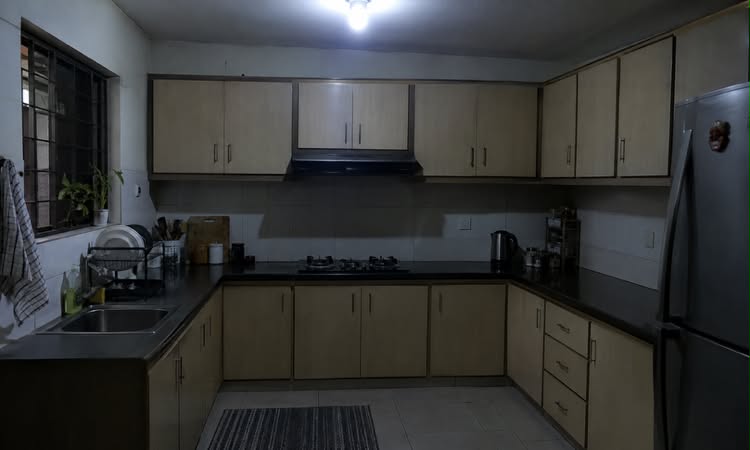
Have you noticed how different your kitchen can look during the day compared with the evening?
Natural light might make the room feel bright and welcoming, but once the sun goes down, a single ceiling light can leave the countertops looking dark and the whole space feeling less inviting.
The problem isn’t always the light fixture itself. Sometimes, you’re simply relying on one light source to do several different jobs.
A kitchen needs enough light for preparing food, washing dishes, and moving around safely. It also helps when the lighting makes the room comfortable to spend time in.
How to Fix It
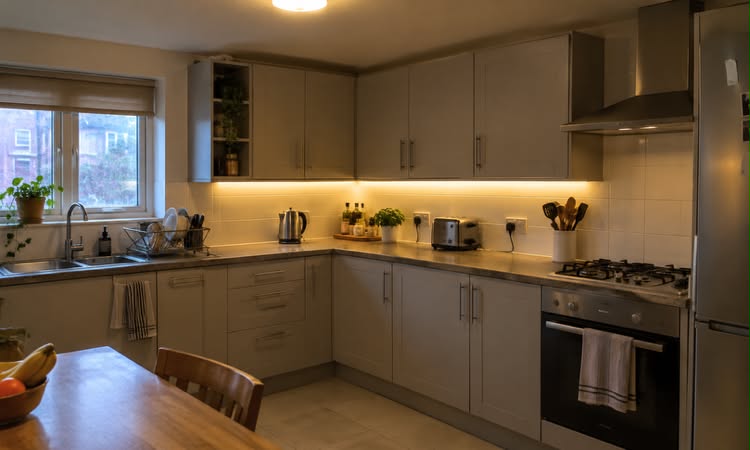
Start by identifying the areas where your current lighting isn’t working well.
If the countertop beneath your upper cabinets is too dark, suitable under-cabinet lighting could make a noticeable difference. You might not need to change the main ceiling fixture at all.
It’s also worth paying attention to bulb colour.
Warm-white lighting can create a softer atmosphere, while neutral-white lighting can be useful in work areas where clear visibility matters. The best choice depends on your existing finishes and how you use the kitchen.
For example, warm lighting may bring out the warmth in cream cabinets and wooden accents. However, you should check how it looks alongside your actual countertops and flooring before buying new bulbs.
Brightness matters just as much as colour. A beautifully lit decorative corner won’t help much if you can barely see what you’re chopping.
If you’re adding new electrical fixtures, follow the manufacturer’s instructions and consult a qualified electrician when necessary.
Useful Products to Consider
- Under-cabinet LED lights: Help illuminate work surfaces beneath upper cabinets.
- Compatible dimmable LED bulbs: Allow you to adjust brightness when your fixtures and controls support dimming.
- Rechargeable cabinet lights: Can provide extra illumination in suitable cupboards or storage areas.
Before purchasing anything, check brightness, colour temperature, power requirements, and installation instructions.
A small lighting improvement may be enough to make your kitchen more comfortable without replacing everything.
3. Mixing Cabinet Colours and Finishes Without a Plan

I’m not going to tell you that every kitchen needs white cabinets, beige walls, and a wooden countertop.
Colourful kitchens can look beautiful. Dark cabinets, green islands, natural wood, and two-tone designs can all work well.
The problem starts when the different finishes compete with one another instead of creating a balanced overall look.
Imagine reddish-brown cabinets, a heavily patterned backsplash, a dark countertop, and several unrelated metal finishes. Each element might look attractive on its own, but together they can make the kitchen feel visually busy.
This is why it’s worth considering the whole room before choosing a new cabinet colour or finish.
How to Fix It

Start with the permanent features you already have.
Look at your flooring, countertops, backsplash, cabinets, and large appliances together. These elements don’t need to match exactly, but their colours and undertones should work reasonably well alongside one another.
For example, cream cabinets can pair beautifully with natural wood and warm neutral surfaces. Muted green cabinets may also work well with light countertops and simple hardware.
If your countertop already has strong veining or a noticeable pattern, you might want to keep the backsplash relatively simple. This gives the different surfaces room to stand out without competing for attention.
And here’s something worth remembering: you don’t always need to repaint your cabinets to improve the colour balance.
Sometimes, changing a few accessories or removing visually distracting decorations is enough to make the existing finishes feel more coordinated.
If you do plan to paint your cabinets, test samples beside your countertop and flooring first. Check them in daylight and under your usual evening lighting because colours can look different depending on the light.
Useful Products to Consider
- Cabinet paint samples: Help you compare colours before committing to a full repaint.
- Cabinet hardware samples: Make it easier to compare finishes with your existing kitchen.
- Compatible cabinet knobs: Offer a possible update if your existing hardware looks worn or no longer suits the design.
Don’t repaint perfectly good cabinets simply because a particular colour is trending. Choose a finish that works with the rest of your kitchen and that you’ll be happy to live with for years.
4. Choosing Cabinet Handles That Look Out of Place

Cabinet handles might seem like a small detail, but they’re repeated throughout the kitchen.
When the size, shape, or finish doesn’t suit the cabinets, the overall design can feel less coordinated.
For example, tiny knobs on wide drawers may look out of proportion. Oversized decorative handles can also overwhelm simple cabinet doors.
You don’t need expensive hardware to avoid these problems. The important thing is choosing handles that suit the cabinets rather than selecting them just because they look attractive online.
How to Fix It
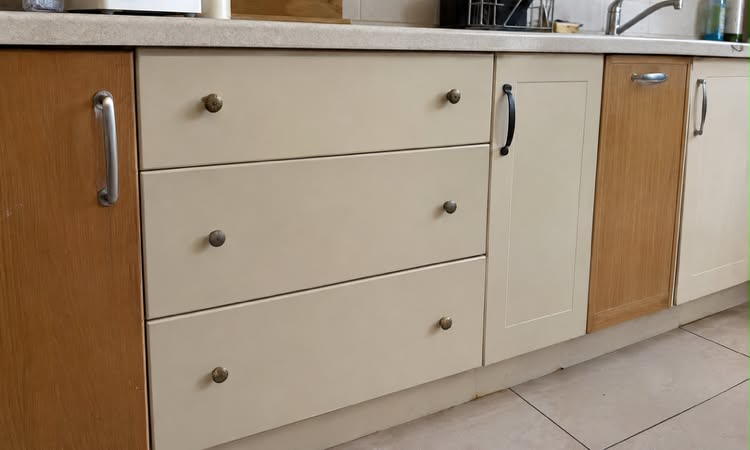
First, consider the shape and size of your cabinet doors and drawers.
Simple, flat-front cabinets often work well with clean-lined bar pulls or understated knobs. Traditional cabinet styles may suit more classic shapes.
Next, look at the finishes already present in the kitchen.
Brushed brass can complement warm wood and cream cabinets, while matte black or brushed nickel may work better with other finishes. These aren’t strict rules, though. The best choice depends on the complete colour scheme.
You don’t have to use the same metal everywhere, but repeating a finish in a few places can help create a more connected look.
One practical detail people sometimes overlook is screw-hole spacing.
If you’re replacing existing handles, measure the distance between the mounting holes before ordering. Otherwise, you might end up with new handles that don’t fit without additional drilling.
If you’re renting, check whether you’re allowed to change the hardware and keep the original handles for later.
Useful Products to Consider
- Brushed-brass cabinet pulls: An option for kitchens with compatible colours and finishes.
- Matte-black cabinet handles: Can work well with darker accents and suitable cabinet styles.
- Brushed-nickel cabinet knobs: A versatile option for many kitchen designs.
Check the handle dimensions, screw-hole spacing, finish, and quantity before ordering.
If your existing handles still look good and work properly, there’s no reason to replace them just because they’re no longer trendy.
5. Choosing a Backsplash That Competes With the Rest of the Kitchen

A backsplash might cover less space than your cabinets or countertops, but it can still influence the appearance of the entire kitchen.
The mistake isn’t choosing colourful tiles or an interesting pattern. Both can look fantastic when they’re planned properly.
Problems arise when the backsplash, countertop, cabinets, and flooring all compete for attention.
For example, a heavily veined countertop combined with a bold, multicoloured backsplash can make the room feel visually crowded. You might love both materials individually, but together they may not create the look you expected.
How to Fix It

I’d start with the countertop because it’s often one of the most noticeable surfaces in the kitchen.
If your countertop has a strong pattern, a simpler backsplash can create a better balance. If the countertop is relatively plain, you have more freedom to experiment with colourful tiles, texture, or a decorative pattern.
Think about the size of the kitchen, too.
In a small kitchen, repeating a few complementary colours can help the space feel more connected. However, that doesn’t mean you must avoid bold colours or interesting designs.
Before buying tiles, get samples if possible. Place them beside your cabinets and countertop, then check how they look in daylight and under your usual evening lighting.
This is particularly helpful when choosing whites, creams, and beiges. Two shades that look almost identical on a screen can appear quite different next to one another.
Maintenance matters as well. A backsplash near the stove needs to withstand the conditions in that area and be suitable for regular cleaning.
Peel-and-stick tiles may be an option for certain applications, but check their compatibility with the surface, heat exposure, and moisture before using them.
Useful Products to Consider
- Backsplash tile samples: Help you compare colours and finishes before committing.
- Grout-cleaning brush: Useful for cleaning accessible grout lines.
- Suitable grout refresh product: May help improve the appearance of compatible grout surfaces.
If your existing backsplash is in good condition, cleaning the tiles and maintaining the grout may be a better starting point than replacing everything.
The aim isn’t to choose the plainest backsplash possible. It’s to find one that works with the rest of your kitchen.
6. Making Open Kitchen Shelves Look Overcrowded

Open shelving always looks tempting when you’re browsing kitchen inspiration on Pinterest.
You see neatly arranged plates, matching mugs, a few attractive jars, and perhaps a wooden cutting board leaning against the wall. Everything looks simple and organized.
Then you try the same idea at home, and suddenly the shelves are full of mismatched mugs, food packets, containers, and things you use every day.
Sound familiar?
Open shelves aren’t a bad design choice. They simply require more thought because everything remains visible.
How to Fix It

Start by deciding what you actually want to keep on display.
Frequently used plates, mugs, and a few coordinated containers can look good while remaining practical. You don’t need to turn every shelf into a decorative arrangement.
Try grouping similar items together and leaving some space between them. This makes it easier to find what you need and prevents the shelves from looking overcrowded.
You should also consider what belongs behind closed cabinet doors.
Extra food packets, rarely used appliances, and miscellaneous supplies don’t necessarily need to be displayed. If you have a lot of everyday items, closed storage may be a better option for most of them.
Placement matters, too. Open shelves near the stove can collect grease and cooking residue, which means you’ll need to clean them more frequently.
And please don’t buy matching containers just because they look good in photographs. If your existing containers work perfectly well, there’s no need to replace them all.
Useful Products to Consider
- Clear airtight storage containers: Useful for suitable pantry ingredients that need to stay fresh.
- Kitchen canisters: Can organize frequently used dry ingredients while keeping them accessible.
- Cabinet shelf risers: Help make better use of vertical space inside closed cupboards.
Measure your shelves and check container sizes before buying anything.
Open shelving should make your kitchen more convenient, not create another area that needs constant rearranging.
Related : 12 Small Kitchen Decor Ideas to Make Your Space Look Bigger
7. Using Too Many Decorative Items on the Counter

A few well-chosen accessories can make a kitchen feel warm and welcoming.
A wooden cutting board, a fruit bowl, or a simple ceramic vase can add personality without changing the cabinets or countertops.
The problem starts when every available corner becomes a display area.
Add decorative signs, artificial flowers, bottles, trays, and small ornaments to your everyday cooking essentials, and you can quickly run out of usable space.
A kitchen can have beautiful decorations and still feel cluttered if there’s no clear distinction between styling and everyday function.
How to Fix It

Choose a few decorative pieces that suit your kitchen and leave enough room for cooking.
For example, a wooden tray can group a couple of frequently used items together. A fruit bowl can add colour, while a small vase may work nicely in a corner away from the main preparation area.
You could also leave one section of the countertop completely clear.
This gives you useful workspace and helps the remaining accessories stand out without making the kitchen feel crowded.
Another idea is to rotate your decorations instead of displaying everything at once. If you have several pieces you love, store some away and switch them around occasionally.
That gives you variety without constantly buying new accessories.
I’d also pay attention to where you place decorative items. Accessories beside the stove may collect grease, while pieces near the sink can get splashed regularly.
Something can look beautiful in a photograph but become inconvenient when you have to move it every time you cook.
Useful Products to Consider
- Wooden countertop tray: Helps group smaller items together.
- Simple ceramic vase: Adds a decorative touch to a suitable corner.
- Functional kitchen canisters: Provide storage for frequently used ingredients.
You might not need any new accessories at all. Try removing a few pieces first and see how the kitchen feels.
Sometimes, the best styling decision is knowing when to stop.
8. Ignoring Dirty Cabinet Doors, Loose Handles, and Damaged Grout

Sometimes, a kitchen doesn’t need a new design. It needs a little maintenance.
Cabinet doors collect greasy fingerprints, handles become loose, and grout gradually loses its clean appearance. Because these changes happen over time, it’s easy to stop noticing them.
However, neglected surfaces can make an otherwise attractive kitchen feel less cared for.
Before spending money on new cabinets or tiles, take a closer look at what you already have.
How to Fix It

Start with a proper clean.
Use a cleaning product suitable for your cabinet finish and avoid abrasive tools that could scratch or damage the surface. Pay particular attention to the areas around handles, near the cooking zone, and along cupboard edges.
Next, check the cabinet hardware.
Tighten loose handles where appropriate, and adjust hinges if the doors are uneven and the hardware allows adjustment. These small maintenance jobs can improve how the cabinets look and function.
Grout deserves attention, too.
Surface dirt may respond to suitable cleaning, but damaged or crumbling grout needs proper repair rather than repeated scrubbing.
The same applies to cabinet doors. If a finish is peeling or the material has swollen because of moisture, investigate the cause before painting over it.
Covering a damaged surface without fixing the underlying problem may not give you a lasting result.
I’d work through these maintenance issues before deciding that the kitchen needs a major update. You may find that the existing cabinets and tiles look perfectly fine once they’re clean and in good condition.
Useful Products to Consider
- Microfibre cleaning cloths: Useful for routine cleaning of suitable surfaces.
- Grout-cleaning brush: Helps clean accessible grout lines.
- Basic screwdriver set: Can help with suitable minor hardware adjustments.
Always check whether a cleaning product is compatible with your cabinet finish or tile material. Test it in a small, inconspicuous area before using it more widely.
Remember, well-maintained doesn’t mean brand-new. Older cabinets can still look good when they’re clean, functional, and suited to the rest of the kitchen.
9. Choosing a Kitchen Rug That Doesn’t Suit the Space

A kitchen rug can add colour, soften the appearance of the floor, and make certain standing areas more comfortable.
But the wrong rug can create more problems than it solves.
A rug that’s too small may look disconnected from the surrounding space. A busy pattern can compete with patterned flooring, while a thick rug may trap crumbs and become difficult to clean.
There’s also the practical side to consider. Kitchens experience spills, grease, and regular foot traffic, so a rug needs to be suitable for the environment.
How to Fix It
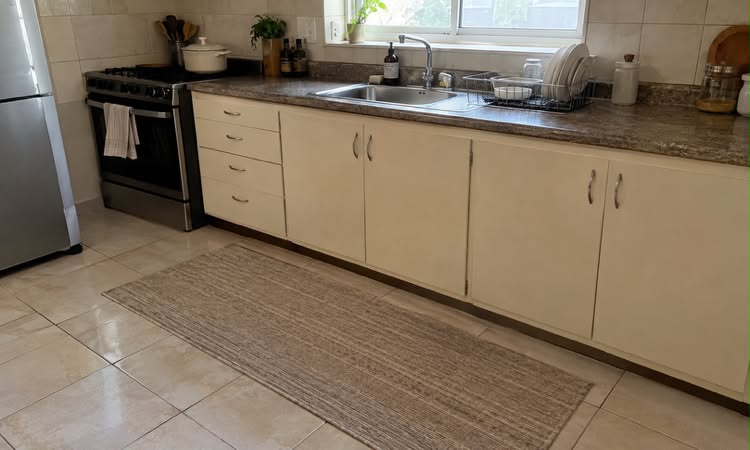
Choose a rug based on where you’ll use it, not just how it looks in a photograph.
A low-pile runner may work well along a suitable stretch of cabinetry, while a smaller mat might be more practical near the sink. The right choice depends on your layout and available floor space.
Before buying anything, measure the area where you intend to place the rug.
Check how cabinet doors, drawers, and appliances open, too. You don’t want the rug getting caught underneath a door or creating an obstacle while you’re carrying something hot.
Think about the existing flooring when choosing a pattern.
If your kitchen already has patterned tiles, a simpler rug may create a better balance. On a relatively plain floor, you might have more freedom to introduce colour or a subtle pattern.
I’d also pay attention to the cleaning instructions. A washable, low-pile rug may be easier to maintain than a thick, fluffy option that traps crumbs and takes a long time to dry.
Finally, make sure the rug stays securely in place. A compatible non-slip backing or rug pad can help reduce movement, but check that it’s suitable for your particular flooring.
Useful Products to Consider
- Washable kitchen runner: A practical option for a suitable stretch of flooring.
- Non-slip rug pad: Helps keep a compatible rug in place.
- Low-pile kitchen mat: Can provide a comfortable surface in a suitable standing area.
Check the dimensions, washing instructions, and backing material before ordering.
And if a rug doesn’t suit your kitchen, don’t feel that you need one. Leaving the floor uncovered may be the more practical choice.
10. Buying Trendy Kitchen Accessories You Don’t Actually Need
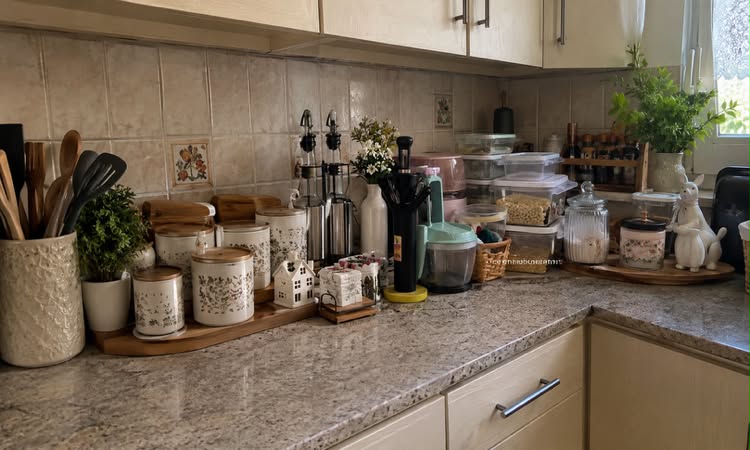
It’s easy to get tempted by kitchen products online.
You see matching jars, stylish soap dispensers, clever storage racks, and organizers that promise to make everything look neat.
Some of these products are genuinely useful. Others look great in photographs but don’t solve a problem in your own kitchen.
The trouble starts when you buy accessories without considering whether you have enough space for them or will actually use them.
You can end up spending money on things that make the kitchen more crowded rather than more functional.
How to Fix It

Before buying a kitchen accessory, ask yourself two questions:
Will I actually use this, and do I have a suitable place for it?
If the answer to both is yes, the product may be worth considering.
For example, a drawer organizer can be useful if your utensils are constantly getting mixed together. A cabinet shelf riser may help if you have enough vertical space but struggle to organize the items inside.
Matching food containers can also make sense if you regularly store pantry ingredients and want to keep them organized.
But you probably don’t need a special container for every ingredient or a separate gadget for every cooking task.
Think about the items you already own before purchasing anything new. You may be able to solve the problem simply by rearranging your existing storage.
I’d also measure the available space before ordering organizers. A product can look compact in a photograph but turn out to be too wide for your drawer or too tall for your cabinet.
And don’t forget to check whether it’s easy to clean. Kitchen accessories should make everyday tasks easier, not give you more things to maintain.
Useful Products to Consider
- Expandable drawer organizer: Helps arrange cutlery and utensils in a suitable drawer.
- Adjustable cabinet shelf riser: Can help you use vertical storage space more efficiently.
- Airtight pantry containers: Useful for dry ingredients that benefit from airtight storage.
- Under-sink organizer: Helps arrange cleaning supplies if it fits around your plumbing.
Measure your drawers and cabinets before ordering.
You don’t need all these products. Choose the ones that solve a problem you actually have, and leave the rest.
How to Make Your Kitchen Look Better Without a Full Renovation
Now that we’ve covered the 10 kitchen design mistakes, you might be wondering where to start.
If you’ve recognized several of these problems in your own kitchen, don’t feel that you need to fix everything at once.
I’d approach it in stages, starting with the improvements that cost little or nothing before considering any bigger purchases.
Step 1: Clear and Clean the Space
Start by clearing one countertop and removing anything you don’t use regularly.
Clean the cabinet doors, wipe down suitable surfaces, and organize the everyday essentials that need to stay within reach.
This gives you a better starting point without spending money on new products.
Step 2: Identify What’s Actually Not Working
Once the kitchen is clean and organized, look at it again.
Are the countertops still difficult to use? Is the lighting too dim? Do the cabinet colours feel disconnected, or is the problem simply that too many accessories are competing for attention?
Identifying the actual problem helps you avoid spending money on the wrong solution.
Step 3: Review the Lighting and Colours
Pay attention to how the kitchen looks during the day and in the evening.
Check whether the work surfaces have enough light, and consider how your cabinets, countertops, backsplash, and flooring look together.
Don’t rush into repainting or replacing anything. Test samples and consider smaller improvements first.
Step 4: Choose One Meaningful Upgrade
Once you’ve handled the basics, decide whether one purchase would genuinely improve the kitchen.
It might be under-cabinet lighting, replacement cabinet handles, or a drawer organizer that solves a storage problem.
Set a budget before shopping, and choose something that fits your existing space rather than buying several accessories at once.
Step 5: Give Yourself Time
You don’t have to finish your kitchen makeover in a weekend.
Live with the smaller changes for a while and see whether they actually improve your daily routine. If something still bothers you, you can decide what to do next.
A few thoughtful improvements can be more useful than a collection of expensive products that don’t really suit your kitchen.
Final Thoughts
A beautiful kitchen doesn’t necessarily have the most expensive cabinets, the biggest island, or the newest appliances.
Sometimes, the difference comes down to practical details: enough workspace, lighting that suits the room, colours that work together, and storage that makes everyday tasks easier.
That’s why I’d look at the small things before planning a complete renovation.
Crowded countertops, poorly chosen accessories, and neglected surfaces can make a kitchen feel less put together, but many of these problems have simple solutions.
Start with what you already have. Clear a countertop, clean the cabinets, or rearrange a few things that are taking up unnecessary space.
If something genuinely needs replacing, take your time and choose an option that suits your kitchen rather than buying the first product that looks good online.
And remember, your kitchen doesn’t have to look exactly like a perfectly staged Pinterest photograph to be beautiful.
It needs to work for the people who use it every day.
I’d much rather see a practical, welcoming kitchen with a little personality than a room full of expensive accessories that nobody is allowed to touch.
If you’re planning to refresh your kitchen, save this guide so you can come back to the ideas when you need them.
Which of these kitchen design mistakes do you think makes the biggest difference? Have you made any small changes that helped your kitchen feel more organized or welcoming?
I’d love to hear your thoughts!